
What Happens to Solid Wood Furniture During Summer and Winter

Solid wood furniture is a beautiful and lasting investment. But if you’ve ever noticed your wooden doors sticking in summer or gaps appearing in winter, you’re not imagining things. These changes occur because wood is a natural material that reacts to the surrounding air. Understanding wood movement and how humidity affects your furniture can help you care for your pieces and keep them looking their best year-round.
Why Wood Moves with the Seasons
Wood is made of tiny fibers that absorb and release moisture depending on the air's humidity. When the air is humid, wood soaks up moisture and expands. When the air is dry, wood loses moisture and shrinks. This process is called wood movement.
In summer, higher humidity causes wood to swell. This is why doors or drawers might stick or become harder to open. In winter, the dry air pulls moisture out of the wood, causing it to shrink. This can create small gaps between boards or panels.
This movement is a sign that your furniture is made of real, solid wood. Engineered wood or veneers don’t react the same way because they have different construction and materials.
Why Doors Stick in Humid Weather
If you’ve ever struggled to close a wooden door in summer, it’s because the wood has absorbed moisture and expanded. The door frame and the door itself both swell, but sometimes not at the same rate. This causes the door to rub against the frame or the floor.
This sticking is common in older homes with solid wood doors. It’s not a sign of damage but a natural reaction to humidity. You can help by:
Using a dehumidifier in very humid rooms
Keeping windows open for airflow when possible
Applying wax or a lubricant to door edges to reduce friction
If the door sticks badly, sanding the edges slightly can help, but do so carefully to avoid removing too much wood.
Why Gaps Appear in Winter
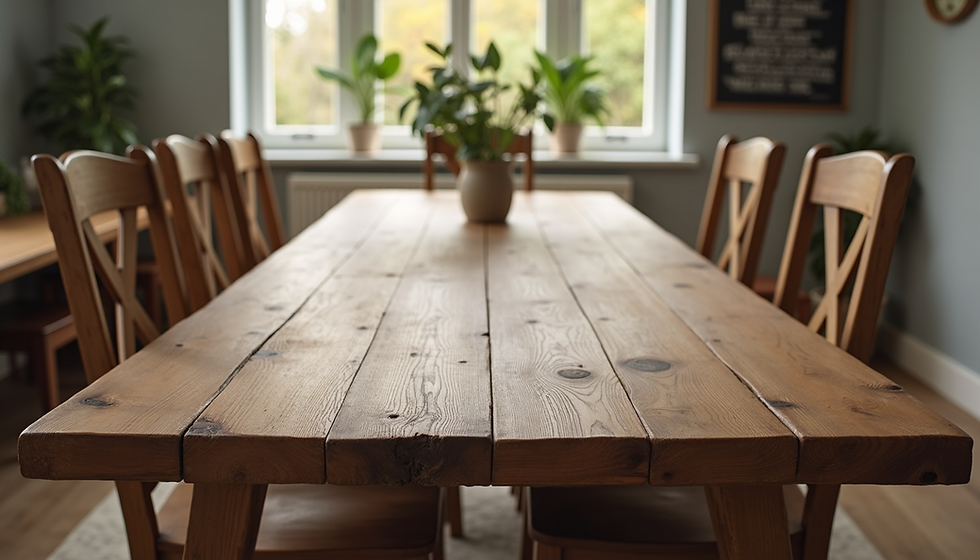
In winter, the air inside homes tends to be dry because of heating systems. This dry air pulls moisture out of wood furniture, causing it to shrink. You might notice gaps between table leaves, gaps between cabinet panels, or cracks in wider boards.
These gaps are not damage but a natural part of wood’s response to dry air. They usually close up again when humidity rises in spring or summer.
To reduce the size of gaps in winter:
Use a humidifier to add moisture to dry indoor air
Avoid placing furniture too close to heat sources like radiators or vents
Keep furniture finishes in good condition to help seal the wood
How Wood Movement Proves Your Furniture Is Real Wood
One of the best ways to tell if your furniture is solid wood is by how it reacts to changes in humidity. Engineered wood or particleboard does not expand or shrink as much because it contains adhesives and synthetic materials.
If your furniture shows signs of wood movement, such as slight swelling, shrinking, or gaps, it means you have a genuine solid-wood piece. This natural behavior is part of what makes solid wood furniture so special and long-lasting.
Caring for Heirloom Furniture Through the Seasons
Heirloom furniture often has sentimental value and deserves special care. Here are some tips to protect your treasured pieces from seasonal changes:
Control humidity: Aim for indoor humidity levels between 40% and 60%. Use humidifiers or dehumidifiers as needed.
Keep furniture away from direct heat: Avoid placing pieces near radiators, fireplaces, or heating vents.
Use protective finishes: Regularly apply wax or oil finishes to help seal the wood and reduce moisture absorption.
Handle movement gently: Don’t force drawers or doors that stick. Instead, adjust or lubricate them carefully.
Inspect regularly: Check for cracks, splits, or loose joints and address them early with professional help if needed.
Final Thoughts on Wood Movement and Seasonal Care
Wood movement is a natural and expected part of owning solid wood furniture. It shows that your pieces are real and alive, responding to their environment. By understanding why doors stick in humid weather and why gaps appear in winter, you can better care for your furniture.
Controlling indoor humidity, using protective finishes, and applying gentle maintenance will keep your heirloom furniture beautiful for years. Remember, movement is a sign of quality wood, not a problem to fear.
Taking these steps will help your furniture stay strong and beautiful through every season. Enjoy the warmth and character that solid wood brings to your home, no matter the weather.

Comments