
The Deeper Meaning of Color in Home Transformation
- March Legend

- Feb 14
- 3 min read
Deeper Meaning of Color
Color is often seen as a finishing touch or a trendy accent in home design. Yet, it holds far more power than mere decoration. Color is a tool of transformation.

It shapes how we feel, how a space feels, and how we connect with our surroundings. When you choose a color for your home, you are not just selecting a shade. You are choosing an atmosphere, a mood, a story.
Color as a Language Through Time
Long before paint swatches and design boards, color carried deep meaning. Across cultures and centuries, color marked identity and status. Royalty wore purple to show power. Red symbolized protection and vitality. Earth tones connected people to nature and harvest. Blue represented water and the sky, evoking calm and openness.
Ancient tombs, hand-painted pottery, and traditional textiles all tell stories through color. These colors were not random; they were chosen with intention and purpose. They communicated beliefs, values, and emotions. This history reminds us that color is spiritual and elemental, rooted in nature itself.
Choosing Color Is Choosing Feeling
When someone picks a color for their home, they are choosing more than a finish. They are choosing a feeling to live with every day. Color influences mood and energy in subtle but powerful ways. For example:
Calm: Soft blues and greens create a peaceful, restful environment.
Strength: Deep, grounding shades like navy or charcoal bring stability.
Warmth: Earthy reds, oranges, and yellows invite comfort and connection.
Confidence: Bold colors like rich reds or emerald greens express personality.
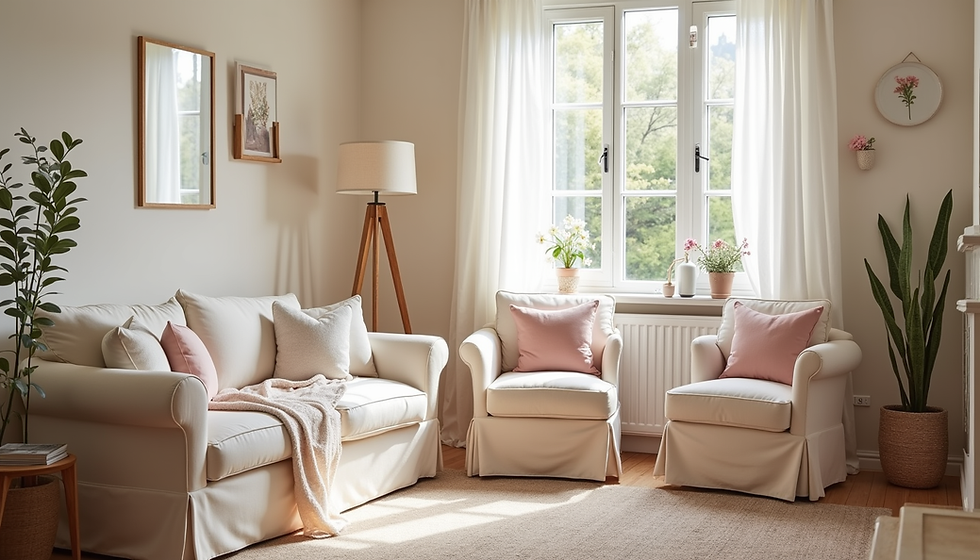
Light: Whites and pale neutrals open up spaces and bring clarity.
The customers who select custom colors understand this instinctively. They are not just buying furniture or paint. They are shaping the atmosphere of their homes to reflect who they are and what they value.
Color as Intention Made Visible

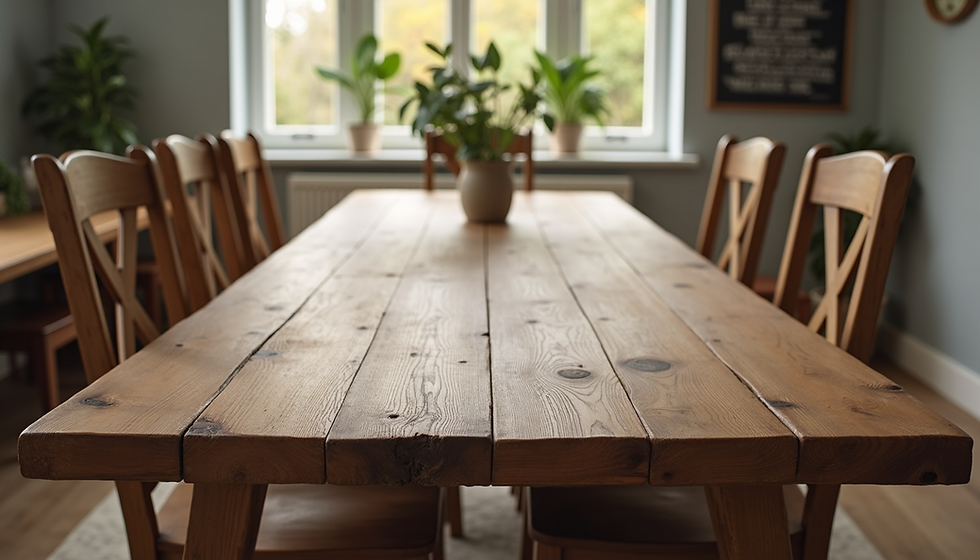
Every color choice carries meaning. When finishes are applied by hand, each layer is deliberate. This process transforms a piece of furniture from a simple object into part of a larger story—your story. Whether it is a deep Midnight blue or a soft coastal whisper, the color becomes a visible expression of intention.
This approach goes beyond trends or seasonal fads. It honors the deeper role color plays in our lives. Color is not an afterthought. It is a powerful tool that transforms spaces and connects us to history, nature, and ourselves.
Why March Legend Began With Color
March Legend was born out of a belief that color matters.
When we first began building furniture, many companies offered only a small selection of stains—often just a handful of predictable browns. Functional. Safe. Limited.
But homes are not limited.
People are not limited.
We believed furniture could carry more personality, more meaning, more life.
Color gave us that freedom.
It allowed us to move beyond uniformity and into expression. Instead of asking customers to choose from four standard finishes, we asked a different question:
How do you want your home to feel?
That question changed everything.
Color became part of our identity. Not because it was trendy, but because it was personal. It allowed each piece to reflect the individuality of the person bringing it home.
From deep, grounding tones to soft, light-infused hues, every finish became an opportunity to transform more than just wood—it became a way to shape atmosphere and tell a story.
March Legend did not begin with stain charts.
It began with intention.
Practical Ways to Use Color for Transformation
If you want to use color intentionally in your home, consider these tips:
Reflect on the mood you want: Think about how you want to feel in each room. Choose colors that support those emotions.
Look to nature: Earth tones, sky blues, and water-inspired hues create a natural, calming effect.
Use contrast thoughtfully: Pair grounding darks with light accents to balance energy.
Layer color: Use different shades and textures to add depth and interest.
Personalize your palette: Don’t just follow trends. Choose colors that resonate with your story and lifestyle.
For example, a living room painted in a soft sage green can invite calm and connection, perfect for family gatherings. A bedroom in a rich, warm terracotta can create a cozy retreat that feels nurturing and grounded.
Color Transforms More Than Space
Color changes how a room looks, but it also changes how you experience it. It influences your mood, your energy, and even your relationships. When you choose color with intention, you create a home that supports your well-being and expresses your identity.
Furniture and finishes that carry meaning become more than objects. They become part of your life’s story. They help you create a space that feels aligned with who you are.

Comments